

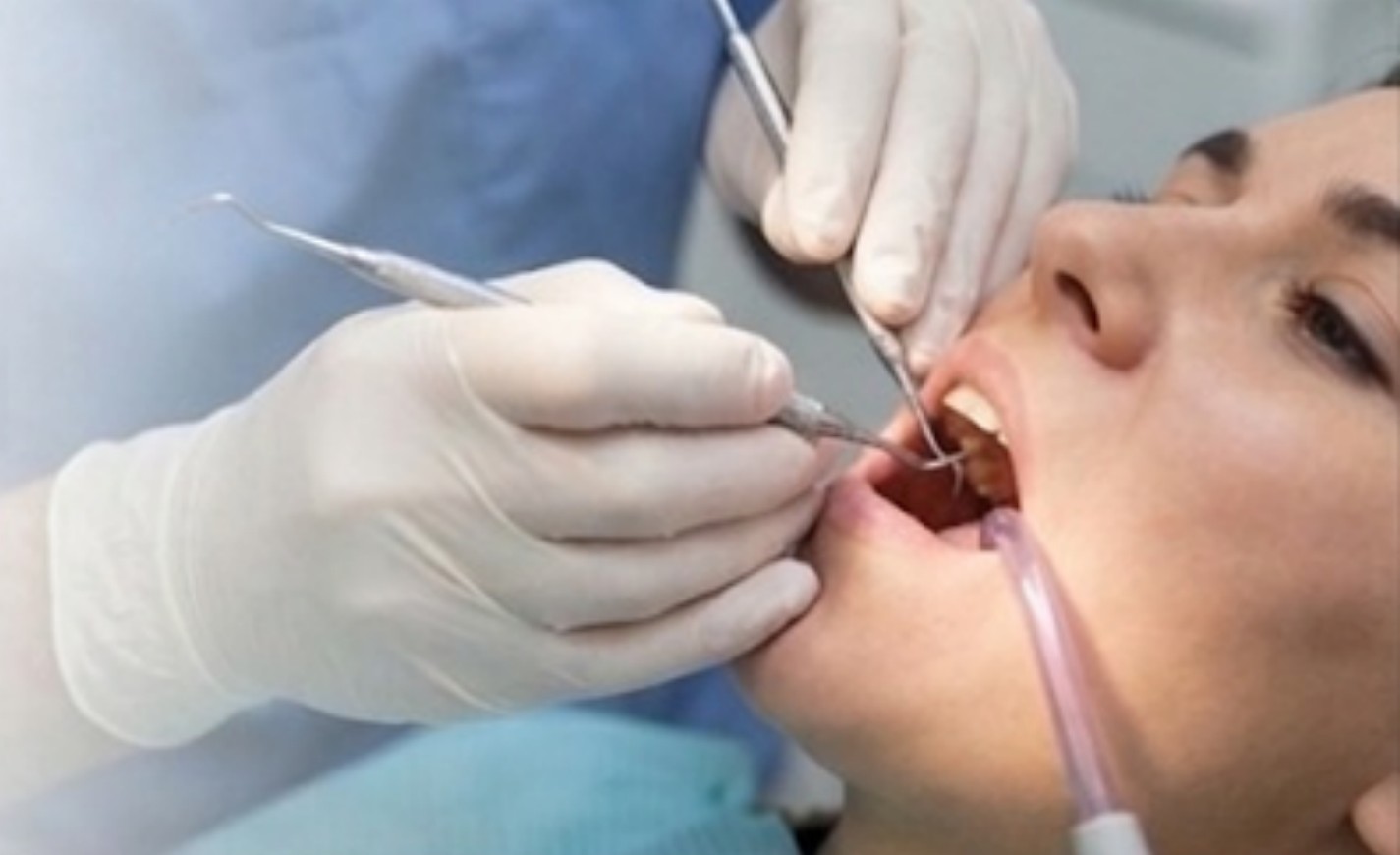
Deep Cleanings
Deep cleaning removes plaque and tartar from below the gumline to treat gum disease and help keep your gums healthy.
- Treats gingivitis and periodontitis
- Prevents tooth loss
- Promotes healthier gum tissue
Why Are Regular Deep Cleanings Important?
Regular deep cleanings help control gum disease by removing plaque and tartar buildup below the gumline. They reduce gum inflammation, protect the supporting structures of your teeth, and help prevent further damage.
How Do I Know If I Need a Deep Cleaning?
You may need a deep cleaning if you have bleeding or swollen gums, persistent bad breath, gum recession, or tartar buildup below the gumline. Your dentist can evaluate your gums and determine whether deep cleaning is necessary to treat gum disease.
What Is the Difference Between Teeth Cleaning and Deep Cleaning?
The main difference is that a regular teeth cleaning is a preventive care routine above the gumline, while a deep cleaning is a medical treatment for gum disease below the gumline.

What to Expect During Your Deep Cleaning
We want your dental visits to feel comfortable, straightforward, and worthwhile. During your appointment, your dental team may:
-
Examination
Your dentist evaluates your gums and checks for signs of gum disease.
-
Deep Cleaning
Plaque and tartar are removed from below the gumline, and the tooth roots are smoothed.
-
Aftercare
You'll get guidance on your oral health and any additional treatment or preventive care you may need.


Keep Your Smile Healthy Between Visits
Professional cleanings are an important part of preventive care, but your daily habits matter, too.
-
Brush twice a day with fluoride toothpaste.
-
Floss daily to clean between your teeth.
-
Limit sugary snacks and drinks.
-
Drink water regularly.
-
Keep up with your recommended dental appointments.
Give Your Smile the Care It Deserves
Whether you're keeping up with routine preventive care or it's been a while since your last dental visit, we are here to help you take the next step toward a healthier smile.
Don't wait until something hurts to prioritize your oral health.
Book Your AppointmentFrequently Asked Questions
Does professional deep cleaning hurt?
Deep cleaning may cause mild discomfort or sensitivity, but local anesthesia can help keep you comfortable during the procedure. Some tenderness may occur afterward as your gums heal.
Is deep cleaning necessary if I brush every day?
Yes, if you have gum disease. Even with daily brushing and flossing, plaque can harden into tartar below the gumline. Deep cleaning removes this buildup to help restore gum health.
Will deep cleaning whiten my teeth?
Deep cleaning removes plaque, tartar, and some surface stains, which may make your teeth look cleaner. However, it is not a teeth-whitening treatment and does not change the natural color of your teeth.